Volunteer Opportunities: Help Us Rescue Reptiles Together
- eadolliver
- Jun 9
- 4 min read
Reptiles are often misunderstood creatures, facing numerous threats in the wild and in captivity. From habitat destruction to illegal pet trade, these fascinating animals need our help now more than ever. If you have a passion for wildlife and want to make a difference, volunteering with reptile rescue organizations can be a rewarding experience. This blog post will explore various volunteer opportunities available, how you can get involved, and the impact your efforts can have on reptile conservation.

Understanding the Need for Reptile Rescue
Reptiles play a crucial role in our ecosystems, yet they are often overlooked in conservation efforts. Many species are endangered due to habitat loss, climate change, and human activities. Here are some key reasons why reptile rescue is essential:
Biodiversity: Reptiles contribute to the balance of ecosystems. They control pest populations and serve as prey for other wildlife.
Education: Many people lack knowledge about reptiles, leading to fear and misunderstanding. Education can foster appreciation and support for conservation efforts.
Legal Protection: Some reptiles are protected by law, and rescuing them helps ensure compliance with wildlife regulations.
By volunteering, you can help raise awareness and provide direct support to these remarkable creatures.
Types of Volunteer Opportunities
There are various ways to get involved in reptile rescue, depending on your interests and skills. Here are some common volunteer roles:
1. Field Rescue Volunteer
Field rescue volunteers work directly in the field, helping to locate and rescue reptiles in distress. This may involve:
Responding to Calls: Assisting in the rescue of reptiles reported in dangerous situations, such as being trapped or injured.
Habitat Restoration: Participating in efforts to restore natural habitats, ensuring a safe environment for reptiles to thrive.
2. Rehabilitation Volunteer
Rehabilitation volunteers focus on caring for rescued reptiles. Responsibilities may include:
Feeding and Care: Providing daily care, including feeding and cleaning enclosures.
Monitoring Health: Observing reptiles for signs of illness and reporting any concerns to veterinary staff.
3. Education and Outreach Volunteer
Education and outreach volunteers play a vital role in raising awareness about reptiles. This can involve:
Conducting Workshops: Leading educational sessions in schools or community centers to teach people about reptile conservation.
Participating in Events: Attending fairs or festivals to promote reptile rescue efforts and engage with the public.
4. Administrative Volunteer
Administrative volunteers support the organizational side of reptile rescue. Tasks may include:
Fundraising: Assisting in fundraising efforts to support rescue operations.
Social Media Management: Helping to manage social media accounts to spread awareness and attract new volunteers.
How to Get Started
If you’re interested in volunteering for reptile rescue, here are some steps to help you get started:
Research Local Organizations
Look for reptile rescue organizations in your area. Many have websites or social media pages where you can learn about their mission and volunteer opportunities. Some well-known organizations include:
The Turtle Conservancy
The Reptile Rescue and Adoption Program
The Center for Snake Conservation
Attend Orientation Sessions
Most organizations offer orientation sessions for new volunteers. These sessions provide valuable information about the organization’s mission, volunteer roles, and safety protocols. Attending an orientation will help you understand what to expect and how you can contribute effectively.
Commit Your Time
Decide how much time you can dedicate to volunteering. Many organizations appreciate regular commitments, whether it’s a few hours a week or a monthly event. Consistency helps build trust and ensures that the reptiles receive the care they need.
Stay Informed and Engaged
Keep up with the latest news in reptile conservation. Follow relevant blogs, join online forums, and participate in workshops. The more informed you are, the better equipped you’ll be to educate others and advocate for reptile welfare.
The Impact of Your Efforts
Volunteering in reptile rescue not only benefits the animals but also enriches your life. Here are some ways your contributions can make a difference:
Saving Lives: Your efforts can directly lead to the rescue and rehabilitation of injured or abandoned reptiles, giving them a second chance at life.
Building Community: Volunteering connects you with like-minded individuals who share your passion for wildlife. Together, you can create a supportive community focused on conservation.
Personal Growth: Working with reptiles can enhance your skills, from animal care to public speaking. These experiences can be valuable in both personal and professional contexts.
Success Stories
Many reptile rescue organizations have inspiring success stories that highlight the impact of volunteer efforts. Here are a few examples:
The Rescue of a Desert Tortoise
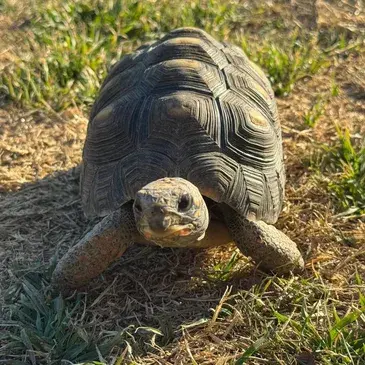
In a recent rescue operation, volunteers discovered a desert tortoise that had been abandoned in a residential area. After providing immediate care, the tortoise was rehabilitated and successfully released back into its natural habitat. This rescue not only saved the tortoise but also raised awareness about the importance of responsible pet ownership.
Educational Outreach in Schools
A local reptile rescue organization partnered with schools to conduct educational workshops. Volunteers shared information about native reptiles and their habitats, fostering a sense of responsibility among students. As a result, many students became advocates for wildlife conservation, leading to community clean-up events and habitat restoration projects.
Challenges in Reptile Rescue
While volunteering in reptile rescue can be incredibly rewarding, it also comes with challenges. Here are some common obstacles volunteers may face:
Limited Resources: Many organizations operate on tight budgets, making it difficult to provide adequate care for all rescued reptiles.
Public Misunderstanding: Some people may have negative perceptions of reptiles, making it challenging to gain support for rescue efforts.
Emotional Strain: Witnessing the suffering of animals can be emotionally taxing. Volunteers must find ways to cope with the emotional challenges of the work.
Despite these challenges, the rewards of volunteering far outweigh the difficulties. Your contributions can lead to meaningful change in the lives of reptiles and the communities that support them.
Conclusion
Volunteering in reptile rescue is a powerful way to make a difference in the lives of these often-overlooked creatures. Whether you choose to work in the field, assist with rehabilitation, or engage in educational outreach, your efforts can have a lasting impact. By getting involved, you not only help save reptiles but also inspire others to appreciate and protect these remarkable animals.
If you’re ready to take the next step, reach out to a local reptile rescue organization today. Together, we can create a brighter future for reptiles and ensure their survival for generations to come.

Comments